

Storm-Ready School Runs and Gravel Detours near Aberdeen, SD — Mitsubishi S-AWC vs. Hyundai HTRAC
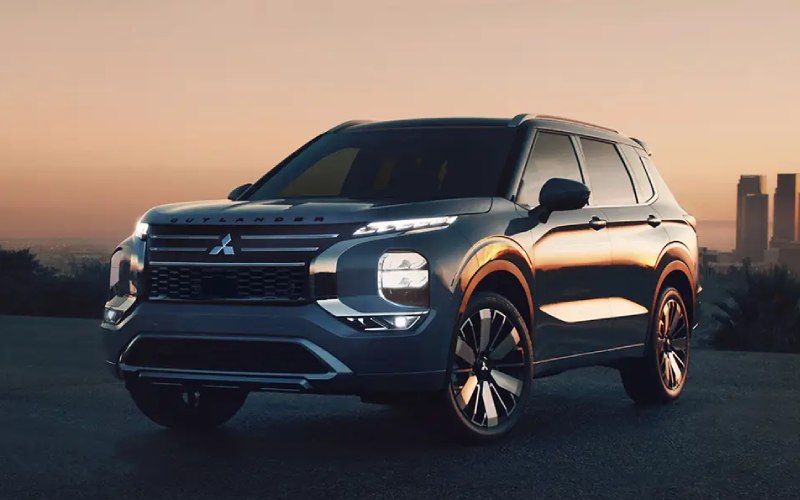
Vern Eide Mitsubishi – Storm-Ready School Runs and Gravel Detours near Aberdeen, SD — Mitsubishi S-AWC vs. Hyundai HTRAC
Life around Aberdeen demands vehicles that feel at home in crosswinds, on icy mornings, and on the occasional gravel detour after a thaw or harvest. As in-market shoppers compare brands, Mitsubishi consistently enters the conversation alongside Hyundai. At Vern Eide Mitsubishi, serving Brookings, Watertown, and Mitchell, our goal is to help you choose with confidence by focusing on how each brand’s all-wheel-drive approach, driver-assist tech, and everyday utility handle the realities of northeastern South Dakota—from pre-dawn school runs to weekend drives out to Richmond Lake or along US-12.
Aberdeen’s weather swings are real: subzero cold snaps, ground blizzards that polish intersections to a shine, and spring gravel patches that show up where you least expect them. That is where Mitsubishi’s available Super All-Wheel Control (S-AWC) shines. Hyundai’s HTRAC AWD is a worthy competitor and a familiar option for many shoppers; however, Mitsubishi develops S-AWC as an integrated handling system designed to fine-tune traction, cornering, and braking response together. If you have ever encountered a wind-scoured bridge deck on US-281 or a rutted county road after a freeze-thaw cycle, that extra layer of integrated control can be the difference between easing through and easing off.
Let’s begin with traction. Mitsubishi engineers S-AWC to coordinate torque distribution front to rear while also working with systems like Active Yaw Control to help the vehicle rotate predictably in a turn. On select models, drive modes such as SNOW and GRAVEL adapt shift mapping and traction logic for the surface underfoot—helpful when a shaded stretch on Melgaard Road stays slick long after the sun returns. Hyundai’s HTRAC also offers multiple modes and quick torque transfers, and the brand performs well in steady winter cruising. The key difference we see during test drives is how S-AWC layers steering, throttle, and wheel braking to hold your chosen line more naturally on mixed-traction corners, which are common on rural two-lanes near Aberdeen after plows push snowbanks back.
Cold-weather comfort and readiness matter too. Mitsubishi SUVs offer cold-climate touches such as available heated front and rear seats, a heated steering wheel, and windshield de-icer zones that help you get moving when the mercury drops. Outlander PHEV adds the ability to pre-condition the cabin while the vehicle is plugged in—warming the interior and clearing frost without idling in the driveway. Hyundai supplies comparable creature comforts, and both brands provide remote features across various trims; however, Outlander PHEV stands apart with available DC fast charging capability for on-the-go energy top-offs during winter errands in town or on longer runs to Sioux Falls.
Driver assistance on the open prairie is not a luxury—it is respite. On select Mitsubishi models, MI-PILOT Assist supports lane centering and adaptive cruise to help reduce fatigue on long, straight stretches where a crosswind nudges the vehicle all afternoon. Mitsubishi also equips models with a robust suite of advanced safety features, such as Forward Collision Mitigation with Pedestrian Detection, Blind Spot Warning, and an available Multi-View Camera System to simplify low-speed maneuvering when snowbanks hide curbs. Hyundai similarly offers comprehensive safety and driver-assist features across its lineup. In back-to-back drives we host at our Sioux Falls showroom for shoppers from Aberdeen, shoppers often point out how Mitsubishi controls feel straightforward and confidence-inspiring in poor visibility—critical when blowing snow ghosts across lane markings at dusk.
Utility is where families and outdoor enthusiasts around Aberdeen often choose Mitsubishi. Outlander is one of the few compact SUVs with an available third row, giving you a 5+2 configuration for impromptu teammate carpools or a quick trip to Storybook Land with grandparents aboard. Fold the third row and a flat cargo floor makes room for hockey bags, decoys, or a week’s groceries with ease. Hyundai counters with thoughtful cabin designs and generous cargo space in its two-row offerings, but shoppers comparing for a third row frequently discover that Mitsubishi provides extra seats without moving to a larger footprint—handy in tight parking at the arena when the snowbanks stack up.
Efficiency is a shared strength for both brands, yet the plug-in story carries a unique Mitsubishi advantage. Outlander PHEV pairs twin electric motors with S-AWC for confident all-weather traction and quiet, all-electric driving for many local trips. Regenerative braking paddles on the steering wheel let you tailor deceleration to conditions, which is a subtle but useful tool when descending slick overpasses. Hyundai offers hybrid and plug-in hybrid options on select models and delivers strong fuel-saving performance. What sets Mitsubishi’s plug-in system apart are details like available DC fast charging and the seamless integration of electric torque with S-AWC—helpful when an unplowed neighborhood side street stands between you and a warm garage.
In daily practice around Aberdeen, the combined effect of Mitsubishi tuning shows up in small, confidence-boosting moments: a stable mid-corner line through a polished intersection on 6th Avenue, a fuss-free launch after a refreeze at the end of your gravel driveway, and relaxed steering inputs on windy drives out to Mina Lake. Hyundai remains a solid alternative—reliable, feature-rich, and widely cross-shopped. If your priority is a tidy, right-sized SUV that brings all-weather poise together with family versatility and an available plug-in system built for the northern plains, Mitsubishi deserves the first test drive.
To make this comparison even easier, our team hosts route-specific drives that simulate Aberdeen conditions—think mixed dry and slick patches, crosswind-prone stretches, and low-speed parking with compromised sightlines. We are based at 4501 E Arrowhead Pkwy in Sioux Falls and regularly help guests from Aberdeen and surrounding communities. Our certified service department supports your ownership with genuine Mitsubishi parts, extended hours, and the customer-first approach we call the Eide Effect—because great vehicles deserve equally great care.
Here is a quick, scenario-first comparison that sums up what local drivers ask us most often.
- Windy highway stability: Mitsubishi S-AWC coordinates torque and yaw control for composed tracking in crosswinds common on US-12; Hyundai HTRAC provides confident, quick torque transfer for steady-state stability.
- Gravel-road poise: Mitsubishi drive modes such as GRAVEL and SNOW help with mixed traction and ruts after freeze-thaw; Hyundai traction modes respond quickly to loose surfaces with balanced torque distribution.
- Plug-in practicality: Outlander PHEV offers all-electric driving, S-AWC traction, and available DC fast charging; Hyundai plug-in models deliver strong efficiency but typically recharge at Level 1 and Level 2.
- Family flexibility: Mitsubishi Outlander brings an available third row in a compact footprint; Hyundai cross-shoppers often step to a larger class for similar seating capacity.
- Camera visibility: Mitsubishi’s available Multi-View Camera System helps when snowbanks hide curbs and medians; Hyundai offers a comparable surround-view feature on select trims.
When you are ready, our team will set up a side-by-side drive of Mitsubishi models such as Outlander, Eclipse Cross, and Outlander PHEV so you can feel the differences on the road—not just read them on a page. We will map a route that mimics your real commute from Aberdeen and tailor a demo to your priorities, whether that is third-row versatility, winter traction, or plug-in convenience.
Frequently Asked Questions:
Is S-AWC really noticeable in everyday Aberdeen driving?
Yes. The benefit shows up when surfaces and winds change quickly—like patchy ice near bridges or gusty days on open prairie. S-AWC is engineered to help the SUV track straight and rotate predictably, so inputs feel calm and consistent.
How does Outlander PHEV handle winter?
Outlander PHEV pairs electric motors with S-AWC for instant torque and confident traction. Pre-conditioning while plugged in warms the cabin without idling, and available DC fast charging helps you recover range quickly on longer winter days.
Do Mitsubishi SUVs do well on gravel roads?
Yes. Available drive modes adjust throttle, shift logic, and traction control to handle loose surfaces and mild washboard. The tuning aims for steady progress with fewer steering corrections—useful on rural county roads.
Can Vern Eide Mitsubishi support service if I live in Aberdeen?
Absolutely. Our certified technicians, genuine Mitsubishi parts, and extended service hours make maintenance straightforward. We frequently assist guests who travel down from Aberdeen, and our team will help you plan convenient appointments.
What should I test on a back-to-back drive against Hyundai?
On the same loop, check cold-start refinement, low-speed steering in a snowy parking lot, mid-corner stability on a slick turn, and how each camera system helps when snowbanks shrink visibility. That real-world feel will clarify your choice quickly.
Aberdeen drivers ask for confidence, clarity, and capability year-round. Mitsubishi answers with S-AWC composure, family-first packaging, and a plug-in system built for northern winters. Visit Vern Eide Mitsubishi in Sioux Falls to compare brands on your terms, experience our customer-first Eide Effect, and find the Mitsubishi that will make every mile—from school drop-offs to gravel detours—feel truly under control.
0 comment(s) so far on Storm-Ready School Runs and Gravel Detours near Aberdeen, SD — Mitsubishi S-AWC vs. Hyundai HTRAC