

Best SUV for Watertown, SD winters and gravel roads: 2026 Mitsubishi Outlander or 2026 Honda CR-V?
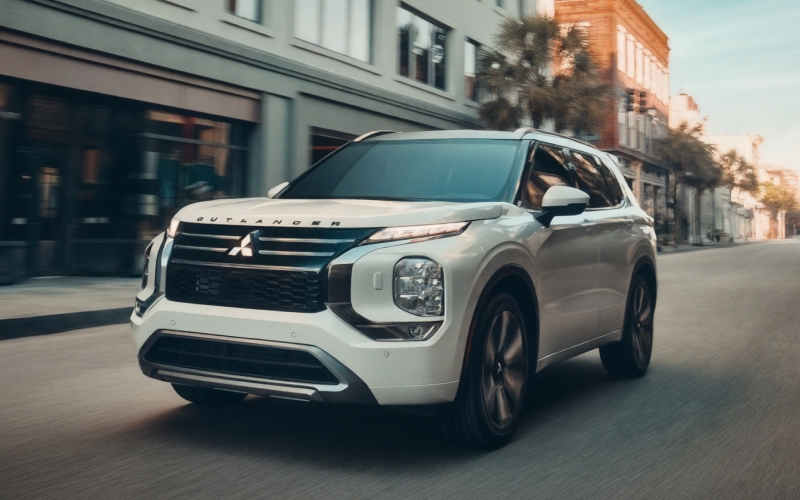
Vern Eide Mitsubishi – Best SUV for Watertown, SD winters and gravel roads: 2026 Mitsubishi Outlander or 2026 Honda CR-V?
When car shoppers in Northeast South Dakota compare traction, they often ask a simple question with real-world implications: which SUV puts more confident grip to the ground on loose gravel, slush, and freeze-thaw side streets around Watertown, SD? The answer tends to come down to differences in how each brand approaches all-wheel control. Mitsubishi’s Super All-Wheel Control (S-AWC) is engineered as a system, coordinating the Outlander’s power delivery, braking, and torque splits with selectable drive modes for Normal, Eco, Tarmac, Gravel, Snow, and even Mud on select configurations. Honda’s Real Time AWD™ for the CR-V is a proven, responsive setup that sends power rearward as slip is detected. Both are capable, but their personalities diverge when the pavement ends or turns slick.
S-AWC’s advantage is proactive tuning. In Gravel and Snow modes, Outlander anticipates the low-friction surface and readies the system to prevent wheelspin and stabilize the vehicle before slip escalates. That can be the difference between easing away cleanly at a crowned rural intersection and having to lift off and try again. Mitsubishi supplements that logic with a multi-link rear suspension and brake-based torque vectoring strategies that help the vehicle rotate predictably in tighter turns. In practice, the SUV feels settled and confident when lane ruts fill with slush or when you transition from dry pavement to dusty gravel shoulders mid-corner. Meanwhile, the CR-V’s Real Time AWD™ provides a surefooted response with quick rear engagement once front slip appears; it’s polished and effective, but not as mode-specific in its approach to differing surfaces.
Beyond traction behavior, visibility, and driver assistance influence how secure you feel at the wheel. The Outlander’s available 360° Multi-View Camera System makes tight downtown parking and alley approaches far less stressful, and it’s especially welcome when snowbanks or shop vans limit sightlines. MI-PILOT Assist with Navi-link, available on select trims, adds confidence on long I-29 drives with Adaptive Cruise Control with Stop & Go, Lane Keep Assist, Lane Departure Prevention, and Traffic Sign Recognition. In the CR-V, Honda Sensing® is standard across the lineup and does an admirable job supporting drivers with active safety, though the CR-V does not offer a surround-view camera. If you routinely tuck into narrow trailhead lots or parallel park amid winter glare ice, that top-down camera reassurance is hard to beat.
Cabin practicality also plays into winter and gravel confidence. With standard 7-passenger seating, Outlander can move a larger crew to youth sports and weekend gatherings, folding seats in a 40:20:40 pattern to split long cargo and extra riders. Wireless Apple CarPlay® and Wireless Android Auto™ keep maps and messaging front-and-center without cables. For those who use podcasts or playlists to settle into a rhythm on longer drives, the available Dynamic Sound Yamaha® Ultimate system adds a “quiet focus” quality—thanks to tuning by Yamaha® Sound Meisters and features like Speed Compensated Volume—that helps mask road roar on coarse chip-seal.
If electrification is on your mind, CR-V’s available hybrid powertrain is quick and pleasantly responsive, especially in the city. Outlander counters with a modern mild-hybrid setup for smooth takeoffs and easy restarts, and those who want plug-in capability can explore the Outlander PHEV in a separate model line. Either way, the core Outlander driving feel remains consistent—predictable steering, composed braking, and a drivetrain that works with S-AWC’s surface logic to reduce drama rather than induce it.
As you narrow your search, consider test drives that mirror daily life: a few stop signs on a dusty road, a braking event on roughened pavement, and a merge with light slush near the shoulder. Watch how each SUV reacts before you reach for added steering or throttle. In those moments, the differences in traction strategy and sightline support become obvious. Outlander’s drive modes and surround-view visibility minimize surprises; CR-V’s comfort-focused tuning responds well, but does not deliver the same degree of surface-specific control.
For many shoppers, ownership confidence also includes long-term coverage. Mitsubishi backs Outlander with America’s Best-Backed Vehicles for added peace of mind, including a 10-year/100,000-mile Powertrain Limited Warranty, 2 years/30,000 miles of limited maintenance, and 5 years of roadside assistance. That scope of support complements Outlander’s calm, refined demeanor in tough conditions and reinforces the SUV’s value as a year-round family solution.
- AWD behavior on loose surfaces: Outlander’s S-AWC uses selectable modes and coordinated control to anticipate low traction; CR-V’s Real Time AWD™ reacts quickly once slip appears.
- Low-speed visibility: Outlander’s available 360° Multi-View Camera System eases tight parking and snowbank-limited sightlines; CR-V does not offer a surround view.
- Cabin flexibility and tech: Outlander’s standard 7-passenger layout and Wireless Apple CarPlay®/Android Auto™ make errands and carpools simpler in changing weather.
Ultimately, the best SUV for Watertown-area roads is the one that makes you feel calm and in control when conditions aren’t ideal. If your day often includes a few miles of gravel, a slushy afternoon pickup, and parallel parking near local shops, Outlander’s S-AWC tuning and visibility tools give it a meaningful advantage. When you are ready to compare traction systems back-to-back, Vern Eide Mitsubishi is here with routes that replicate your real drive cycle and staff who can tailor features to your priorities.
Frequently Asked Questions:
Does the CR-V offer a 360-degree camera like the Outlander?
No. The CR-V provides strong camera and sensor coverage, but it does not offer a surround-view camera. Outlander’s available 360° Multi-View Camera System delivers a bird’s-eye perspective to simplify tight maneuvers.
How do the AWD systems differ on slick city streets?
Outlander’s S-AWC uses Snow and Gravel modes to precondition traction and stability control for low-friction surfaces, which can help you pull away cleanly and track straight. CR-V’s Real Time AWD™ engages rear drive quickly after slip is detected and feels secure, but is not mode-specific in the same way.
Is there a third-row option in either SUV?
Outlander includes 7-passenger seating standard across the lineup, while CR-V is a two-row, five-passenger model. If you occasionally need extra spots for friends or gear, Outlander’s flexible 40:20:40 second row and fold-flat design are especially useful.
Which vehicle has wireless smartphone integration?
Both SUVs support Wireless Apple CarPlay® and Wireless Android Auto™ across their lineups, making it easy to keep apps visible and your phone tucked away.
For a traction-focused test drive route and side-by-side feature walkarounds, stop by our showroom serving Aberdeen, Brookings, and Watertown. You’ll find a knowledgeable team ready to help you match the right configuration to your daily drive without the guesswork.
Vern Eide Mitsubishi
0 comment(s) so far on Best SUV for Watertown, SD winters and gravel roads: 2026 Mitsubishi Outlander or 2026 Honda CR-V?